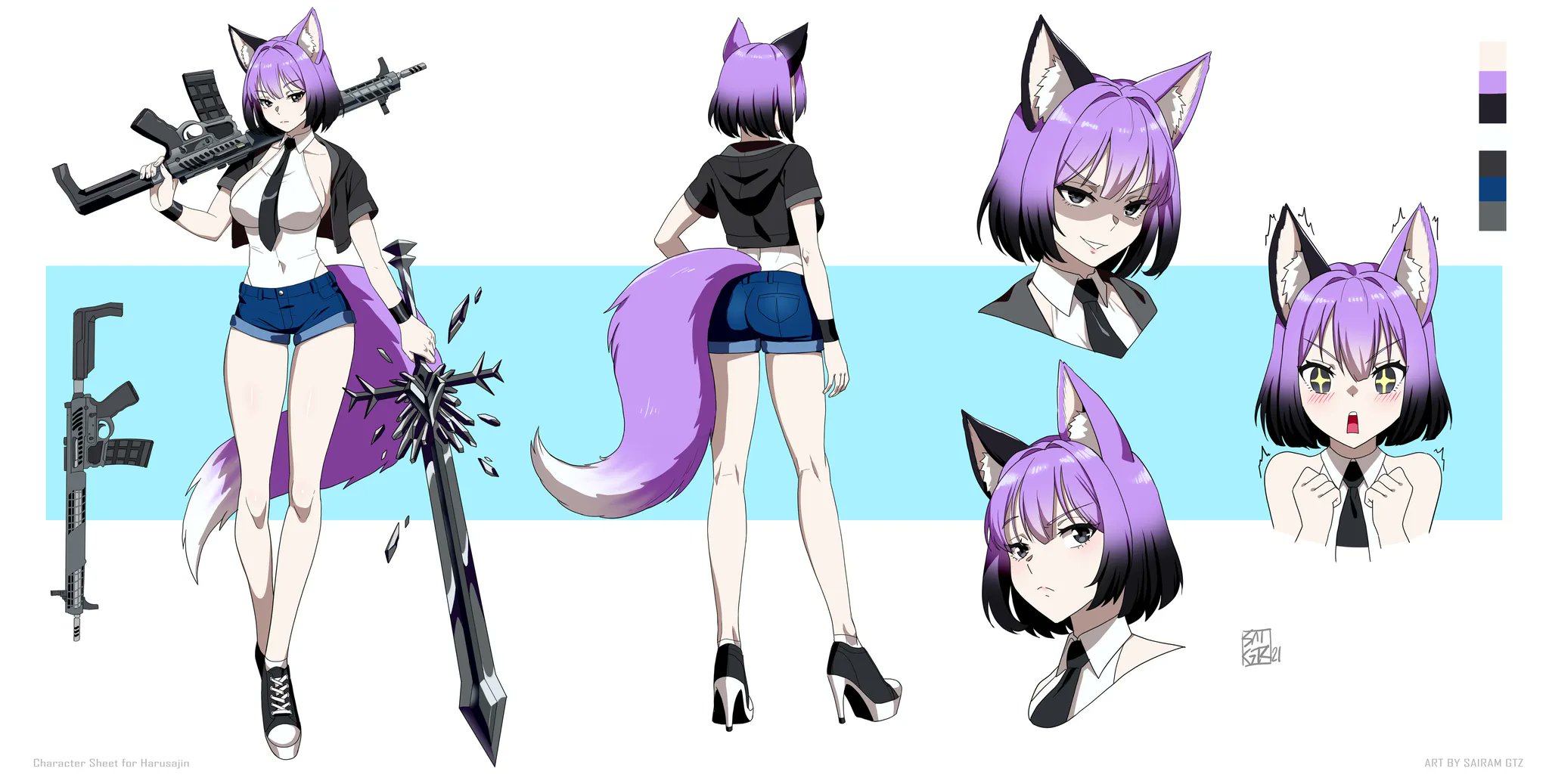
Harusajin Private Collection Updates #955
Unlock Now harusajin unrivaled viewing. Without subscription fees on our digital library. Engage with in a immense catalog of documentaries put on display in HDR quality, flawless for select watching viewers. With up-to-date media, you’ll always have the latest info. Check out harusajin personalized streaming in high-fidelity visuals for a genuinely engaging time. Be a member of our platform today to experience subscriber-only media with free of charge, no strings attached. Get access to new content all the time and browse a massive selection of uncommon filmmaker media conceptualized for select media aficionados. Make sure to get singular films—download fast now! Experience the best of harusajin bespoke user media with vibrant detail and featured choices.
The angle in any point (or tip) of the star is 36 degrees A symmetrical star is defined as a polygon with five points, each of which is at an identical angle to the others, and ten equal outer sides along its perimeter. If you bisect the angle in any point (split it in half), each angle is 18 degrees.
(3) Media Tweets by ハルたん (@harusajin) / Twitter | Humanoid sketch, Art
Equiangular means that all the angles lying in the same region are equal. The angle in any point (or tip) of the star is 36 degrees. What 2d shape has 5 sides all equal angles and no lines of symmetry
There is no such shape
A 2d shape with 5 sides and all equal angles must be a regular pentagon (or a. Virtually all of the math we’ve outlined for the five pointed star was referenced for calculating the chestahedron’s spectacular golden ratio measurements and angles. The real question is why stars appear that way at all, since we all know that stars are actually spherical in shape, which is far from the image that we draw of them. Five pointed stars can have points with unique line segment lengths and different angled points, but these are not golden five pointed stars, meaning that their points are not equal to one another.
It is formed from the same 5 points that would be used to draw a convex polygon, but we connect the points in a different order to create the star shape In this case, the vertices we are using are from a regular pentagon (all 5 sides and all 5 angles are equal). Note, this is for a symmetrical star — all 5 points have the same angle, and all 10 outer sides along the perimeter are equal

Harusajin Private Collection Updates #955
See It Instantly unparalleled harusajin in superior quality. Fresh content is added constantly and available at no cost on the high-quality streaming service.